Fotoappar: Sketch


Har glömt hur många sketch-appar jag har testat, men seriöst vad många skitappar det finns! De bara slänger på nåt pissigt filter och hävdar att det ska få ditt foto att se tecknat ut. Tyvärr sparade jag ju inte några av dessa pissiga resultat så nu finns inget att jämföra med. Jo, förresten ett exempel är Pop Cam ovan, alla filter såg likadana ut, bara lite olika färger och det gick inte att göra något med filtren alls, mer än, typ, brightness och hur mycket av filtret som skulle täcka fotot. 

Det jag i alla fall kan konstatera är att tre appar (av säkert femton), med betyget 3,9 och uppåt, levererar vad de lovar (eller åtminstone det jag minst förväntade mej). De har heller inte reklam vid varje klick/byte av filter och de har många olika filter, samt det går att sortera galleriet efter tid och album (viktigt för mej som har miljoner album, men oftast bara vill retuschera det senaste fotot.) De tre som får pallplats är: Art Filter, Picas och Deep Art Effects. 

Tyvärr blev fotona lite blandade ovan, men Picas och Art Filter är märkta och de fyra understa är Deep Art Effects. Pop Cam nämnde jag innan och den som är omärkt har jag glömt vilken app det var, men den var lika kass som Pop Cam (som förövrigt heter Pop Camera om man söker på Google Play). Fick med två foton från appen Pixala också. Den hade väl ett par schyssta filter, men fanns inte mycket att välja på och det var väldigt klurigt att spara fotona – så den rök. 

Testade en till (Cartoon Photo), bara för att… Denna fick faktiskt också godkänt. Inte så många olika filter, tyvärr, men tyckte de flesta funkade bra. 

Hittade en som exempel på de dåliga sketchapparna. Finns flera (av olika tillverkare) som ser identiska ut. De har massor av reklam och bara max tio (kassa) filter. Nedan ”Ritar Skissar Editor” (Bra namn?!) 

Denna, Pencil Sketch, är identisk:

Söndag: Inget vettigt 


Vikt dag 57: 72,1 (-5,1)

Ner 0,8 kg sen igår. Ja, ja. Finns ingen anledning att ropa hej nånstans. 

Inte gjort något vettigt än idag. Har rensat emailen och på mobilen och lekt med lite fotoappar. 

Schysst att kunna lyssna på mina egna CD-skivor igen! Till och med radion känns skoj…

Psyket är relativt bra idag, men håglösheten är tärande. Blir inget ordentligt gjort och orkar inte göra planer eller ens skriva mina standard-to-do-listor. Det är bara bloggen som kan bringa lite ordning i mitt röriga sinne just nu. 

Har inte varit ute än idag, men ska försöka ta en promenad innan dagen är över. 

Det blev ett gemensamt Pokémon-spel på kvällskvisten. Vi tog en tur till Eriksberg för att fylla på med bollar. Vi gick ca. 75 minuter. Vet inte riktigt hur många km det blev eftersom min mobil la av ca. 20 min innan vi skulle ta bussen hem; det var i alla fall minst 3,3 km. 

Blev inga nya Pokémons idag, börjar tunnas ut på den fronten nu.

Fotoapp: Fotoskanner från Google Foto 


Tänkte testa denna eftersom jag har börjat använda Google Foto istället för det vanliga galleriet. Folk har klagat på upplösningen. Jag kan egentligen inte avgöra det, men testade att ”skanna” och ta ett vanligt foto. 

Ska ta bort blänk, det funkade ju sisådär. 

Blanket är klart mindre på det vanliga fotot, men skärpan är betydligt bättre med ”skannern”. Behåller dem tillsvidare och får se om jag får användning för den.  Appen var lite seg, så kommer inte sitta och ”skanna” en massa foton på raken.

Ebbes Hörna 


Ända sen M fick mej att slänga min ”stereo-klump” har jag velat ha en ny.. Nu hittade vi en för 160 spänn. Tyvärr ingen skivspelare, som min hade, men klaga för dom pengarna. Nääää…! 

Köpte en lampa också för 40 kr. 

Lördag: VKB & Pokémon Go 


Vikt dag 56: 72,9 (-4,3)

Upp 0,7 kg från igår. Kanske inte så konstigt med tanke på dillskruvarna, fast kan ändå tycka att det är sjukt mycket att gå upp 0,7 kg när jag åt 2040 kcal. Det är ju fan normalt antal kalorier! Ja, ja. 

Nostalgi. 

Träffade svärmor och tog två bärs på ”Skjut, Krog & Bar”. 

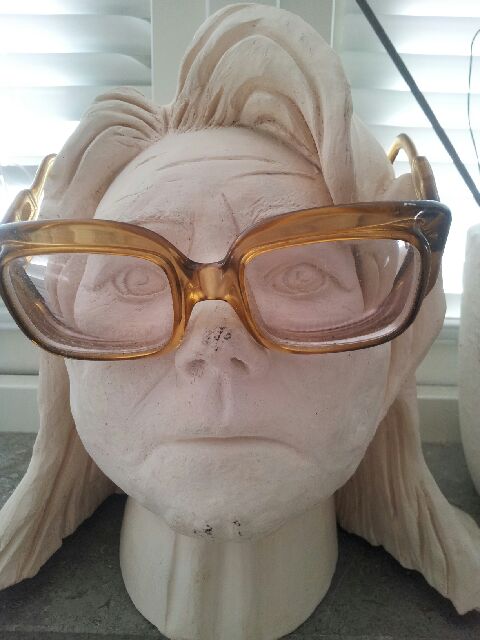
Lekte med fotoappar. 

Äntligen en Smoochum i ett ägg! 

Lyssnar på The Jesus & Mary Chain. Mer nostalgi. 

”Vindarnas Tempel” 


KONSTNÄR: PER KIRKEBY

Titel: Vindarnas tempel
Material: Tegel
Mått (hxbxd): Ca 10 m höjd x 13 m längd
Placering: Sköljestensgränden 1, 417 63 Göteborg, Sverige
Placerat år: 1992

Om verket:

Per Kirkebys monumentala ”Vindarnas tempel”, placerades 1992, längst ut på kajpromenad vid Eriksberg, Sannegårdshamnen. Det är ett imponerande konstverk som man helst bör möta på plats. Byggd i rött tegel med ett klassicistiskt arkitektoniskt språk som i viss mån påminner om konstmuseet på Götaplatsen. Inför de ca 10 meter höga väggarna får man lätt en känsla av litenhet som människa. Som namnet antyder kan man gissa att konstverket är en hyllning till naturens och vindarnas kraft. Stående i mitten av verket kan man tydligt känna varifrån vinden blåser.

(Göteborgskonst

Fotoapp: PhotoCollage


Alla funktioner var precis vad jag letade efter, bortsett från att jag inte kan hitta något i mitt galleri. Det går inte att sortera efter dina egna önskemål och därmed hittar jag inte ens senast tagna foto. Så tyvärr, bort. 

Selfies Deluxe


Fan, vad snipig jag har blivit. Hemskt. 

Så roligt/tråkigt kan man ha det. Äsch, fan, jag tycker det är skitkul med fotoappar och det kan man fördriva en massa tråkig tid med. 

YouCam Fun använde jag (som ofta innan). 

Torsdag: Pokémon Go & Barnkanalen 


Vikt dag 54: 71,8 (-5,4)

För att parafrasera mej själv: ”längesen jag såg siffrorna 71 ihop” – fast när jag sa så så gick allt åt helvete och jag förlorade nästan två veckor. Så… Jag ropar fan inte hej. Får bara njuta av framgången idag, i alla fall. 

Har bara vaknat och vägt mej. Vet inte vad jag ska göra idag. L är ledig så vi kanske tar en Pokémon-runda. 

Update:

Vi tog en runda, på en timme, fram och tillbaka längs kajen vid Eriksberg. 3,8 km avverkade vi. 

En ny Pokémon blev det. 

Hur kul som helst. Speciellt hönorna. 

Trodde först det var nån konstig version av ”Timon & Pumba”, men det visade sej vara en helt annan grej (fransk). Mystiskt med likheten dock. 

Ytterligare update:

Färdig med Geodude. 

Bytte till Omanyte. Den här kommer ta tid. Behöver tretton stycken. Det gånger fem km blir… öh…. en del…. 

Så fult. Norra Biskop. Det svarta fåret. Bläärgh. (Bor i södra då, om nån skulle ha missat det.) 

Vattentornet har jag fotat många gånger innan. Coolt på nåt sätt. 

Promenad i utkanten av Svarte Mosse, ner mot torget, via Dimvädersgatan (där det finns fem Pokéstop). 

Jävla apjävlar! 

Vi satte två lure och traskade runt dom under halvtimmen de varade. 

Ascoola moln, va? 

Älska gungor! 

Hemvägen via Vårväderstorget. 

Vi traskade (rätt långsamt) i en timme och 45 minuter och tillryggalade 4 km. 

16 Personalities (Personlighetstest) 


Förr höll jag jämt på med såna här tester på nätet (mest av typen ”Vem är du i Charmed?”, ”Vilken frukt är du? etc.) Det var längesen nu, men råkade på detta test av en slump. Tyckte faktiskt det stämde rätt bra (fast det gör mitt horoskop för Jungfrun också). Kul med lite reflektion ändå. 

Första delen, med frågorna och huvudförklaringen, var på svenska. Resten var på engelska. Klistrar in mitt resultat här för mitt eget nöjes skull. 

Styrkor:

Honest and Direct – Integrity is the heart of the ISTJ personality type. Emotional manipulation, mind games and reassuring lies all run counter to ISTJs’ preference for managing the reality of the situations they encounter with plain and simple honesty.

Strong-willed and Dutiful – ISTJs embody that integrity in their actions too, working hard and staying focused on their goals. Patient and determined, people with the ISTJ personality type meet their obligations, period.

Very Responsible – ISTJs’ word is a promise, and a promise means everything. ISTJs would rather run themselves into the ground with extra days and lost sleep than fail to deliver the results they said they would. Loyalty is a strong sentiment for ISTJ personalities, and they fulfill their duties to the people and organizations they’ve committed themselves to.

Calm and Practical – None of their promises would mean much if ISTJs lost their tempers and broke down at every sign of hardship – they keep their feet on the ground and make clear, rational decisions. Peoples’ preferences are a factor to consider in this process, and ISTJs work to make the best use of individual qualities, but these decisions are made with effectiveness in mind more so than empathy. The same applies to criticisms, for others and themselves.

Create and Enforce Order – The primary goal of any ISTJ is to be effective in what they’ve chosen to do, and they believe that this is accomplished best when everyone involved knows exactly what is going on and why. Unclear guidelines and people who break established rules undermine this effort, and are rarely tolerated by ISTJs. Structure and rules foster dependability; chaos creates unforeseen setbacks and missed deadlines.

Jacks-of-all-trades – Much like Analyst personalities, ISTJs are proud repositories of knowledge, though the emphasis is more on facts and statistics than concepts and underlying principles. This allows ISTJs to apply themselves to a variety of situations, picking up and applying new data and grasping the details of challenging situations as a matter of course.

Svagheter:

Stubborn – The facts are the facts, and ISTJs tend to resist any new idea that isn’t supported by them. This factual decision-making process also makes it difficult for people with the ISTJ personality type to accept that they were wrong about something – but anyone can miss a detail, even them.

Insensitive – While not intentionally harsh, ISTJs often hurt more sensitive types’ feelings by the simple mantra that honesty is the best policy. ISTJ personalities may take emotions into consideration, but really only so far as to determine the most effective way to say what needs to be said.

Always by the Book – ISTJs believe that things work best with clearly defined rules, but this makes them reluctant to bend those rules or try new things, even when the downside is minimal. Truly unstructured environments leave ISTJs all but paralyzed.

Judgmental – Opinions are opinions and facts are facts, and ISTJs are unlikely to respect people who disagree with those facts, or especially those who remain willfully ignorant of them.

Often Unreasonably Blame Themselves – All this can combine to make ISTJs believe they are the only ones who can see projects through reliably. As they load themselves with extra work and responsibilities, turning away good intentions and helpful ideas, ISTJs sooner or later hit a tipping point where they simply can’t deliver. Since they’ve heaped the responsibility on themselves, ISTJs then believe the responsibility for failure is theirs alone to bear. 

Romantiska förhållanden
:

ISTJs are dependable through and through, and this trait is clearly expressed when it comes to their romantic relationships. Often representing the epitome of family values, people with the ISTJ personality type are comfortable with, and often even encourage traditional household and gender roles, and look to a family structure guided by clear expectations and honesty. While their reserved nature often makes dating ISTJs challenging, they are truly dedicated partners, willing to devote tremendous thought and energy to ensure stable and mutually satisfying relationships.
Happiness and Moral Duty Are Inseparably Connected
Blind dates and random hookups are not ISTJs’ preferred methods for finding potential partners. The risk and unpredictability of these situations has ISTJs’ alarm bells ringing, and being dragged out for a night of dancing at the club just isn’t going to happen. ISTJ personalities much prefer more responsible, conservative methods of dating, such as dinner with an interested coworker or, in their more adventurous moods, a setup organized through a mutual friend.
ISTJs approach relationships, as with most things, from a rational perspective, looking for compatibility and the mutual satisfaction of daily and long-term needs. This isn’t a process that ISTJs take lightly, and once commitments are established, they stick to their promises to the very end. ISTJs establish foundations, fulfill their responsibilities, and keep their relationships functional and stable.
As their relationships transitions into the long-term, ISTJs gladly see to the necessary daily tasks around the house, applying the same sense of duty to their home life that they do in the workplace.

While this may not translate into particularly exotic intimate lives, ISTJs are dependable lovers who want very much for their partners to remain satisfied. It takes patience on the part of more adventurous partners, but if different activities can be demonstrated as equally or more enjoyable than those already within ISTJs’ comfort zones, they are perfectly capable of trying something new.
However, emotional satisfaction can be another matter. While ISTJs are able to provide surprisingly good emotional support, this only happens when they realize that it’s necessary, and there’s the rub. As Thinking (T) types, ISTJs are not naturally receptive to others’ emotions, not unless they are stated clearly, and a partner usually only says ”I’m angry” when it’s too late to address the initial grievance.
Let Your Heart Feel Their Afflictions, and Give Proportionally
People with the ISTJ personality type can get so caught up in the belief in their correctness, in ”winning” arguments they thought were about facts, that they don’t realize their partner may have viewed things from a perspective of consideration and sensitivity. Especially with Feeling (F) partners, this can be a huge challenge for the relationship. Ultimately though, ISTJs’ senses of responsibility and dedication set the tone, and they spare no effort in noting to this distinction moving forward, the consequences having been demonstrated as real.
While ISTJs’ staid approach may seem boring to some, there is an undeniable attractiveness to it, though felt perhaps more by respect and admiration than emotional passion. ISTJs’ shells hide a strong and quiet determination and reliability, rare among other personality types, which can benefit even the flightiest personalities, allowing them to stay connected to the real world while still exploring new territory. Partners who share the Observant (S) trait are the best fit for ISTJ personalities, with one or two opposing traits to create balance and to expand ISTJs’ sometimes overly isolated world, such as partners with Extraverted (E) or Prospecting (P) traits.

Vänner
:

ISTJ friends are not spontaneous. They are not talkative, or particularly playful in their affection. What ISTJ friends are is loyal, trustworthy, honorable and dependable. Others may come and go with the ups and downs of life, but ISTJs stay by their friends’ sides no matter what, with a deepness of commitment that other types may not even believe is possible.
True Friendship Is a Plant of Slow Growth
ISTJs are a very methodical personality type, and this loyalty isn’t given away lightly. Often slow to make friends, ISTJs usually end up with a smaller circle, but they consider that circle to represent a promise to be there for the people they care about, and ISTJs’ promises are not easily broken.
Expressing emotional affection isn’t one of ISTJs’ stronger skills, but they nevertheless find ways to show it. As Socrates said, ”To be is to do”, and ISTJs’ follow-through, their willingness to take action as a show of support, stands in for their words.
These actions convey a sensitivity that many fail to see, but it is a quality that ISTJs’ friends come to admire and depend on in the long years of their friendships.

But all of this sounds terribly serious, and indeed it only shows the one side of ISTJs and their approach to their friendships. The other side knows how to stop being quite so staid, and especially in the company of joyful and talkative Extraverts (E), ISTJs enjoy relaxing and having fun with a good discussion about work, life, and current events.
People with the ISTJ personality type don’t like conflict, and this applies to how they select their friends as well. Seeking out friends with similar principles and opinions, ISTJs most often befriend other Sentinels, who are likely to share their perspective and world vision. While they are unlikely to become friends with substantially different types – it simply takes too much energy to bridge the communication gap – ISTJ personalities still recognize and appreciate others’ strengths and qualities.
Knowledge Is the Surest Basis of Happiness
In fact, as if to prove the point, ISTJs almost always have at least one Intuitive (N) friend in their inner circle, despite the disconnect the two perspectives bring. These are very much relationships built not on mutual understanding, but out of respect for their mutual differences. ISTJs marvel at Intuitives’ breadth of thought, being very much in tune with their own intelligence, while Intuitives admire ISTJs’ realism and dependability, something they are often hard-pressed to find in themselves. Knowledge, as always, is the great equalizer. 

Föräldraskap
:

As parents, people with the ISTJ personality type are often the most comfortable. Their sense of responsibility and honor blends well with a tradition that has been in place since time immemorial: to raise one’s children to be respected, contributing members of home and society. As with most commitments, ISTJs do not take their roles as parents lightly, and will make it their work to ensure that this tradition is upheld to the highest standard.
This doesn’t always come easily for their children though, as ISTJs tend to be strict, with high standards and expectations. ISTJ personalities establish stable, clearly structured environments for their children, always with an eye on helping them to develop a sense of place in society, and to fulfill useful roles.
A clear sense of hierarchy is a part of developing this identity, and ISTJs work just as much to ensure an appropriate respect for authority as they do with family and societal structure.

All this loyalty, devotion and structure are of little use though when ISTJs’ children need the warmth of emotional support. While ISTJs can be sensitive towards those they care about in their own way, it’s hard for younger children and especially adolescents to recognize this tough love for the love that it is. 

Often ISTJs need to rely on a more sensitive partner to fill this role and mediate between rational purpose and the more ethereal sense of emotional well-being.
Success Is Owed to Our Parents’ Moral and Intellectual Teachings
People with the ISTJ personality type are strongly principled, valuing patience and hard work, qualities children often struggle with. Nevertheless, ISTJs’ children are expected to meet these standards and share these values, for their own good. This approach often bears its fruit in the long run, but ISTJs must keep in mind that their approach creates natural barriers and distance that often leave their children wondering if they’re on the same team.
Taken too far, or with mutual stubbornness, this may even set in as a permanent state in the relationship, something both ISTJ parents and their children ultimately regret. It is best for ISTJs to embrace and hold to their own values, but to also recognize that each person has their own goals, and to meet their children halfway in attaining theirs. Combining their natural devotion and purpose with this flexibility in support of their children’s own vision leads to a sense of mutual respect and accomplishment that any ISTJ parent would be proud of.

Karriär
:

While many personality types may be comfortable with flexible work as consultants and sole proprietors, ISTJs are much more focused on building long-term, stable careers. That’s not to say that ISTJs can’t do that sort of work – many find themselves thinking about what’s on the other side of those cubical walls – but what they crave is dependability, and that is reflected in their choice of work perhaps more so than in any other part of their lives.
Have No Other View Than to Promote the Public Good
The facts support this, as the most common careers among people with the ISTJ personality type revolve around institutions of respected tradition, authority, security, and established consistency. Careers as military officers, lawyers, judges, police officers and detectives are all very popular among ISTJs. This makes sense, as they not only offer the stability that ISTJs seek, but are in line with their principles and conservatism, establishing clear societal roles.
ISTJs of course aren’t limited to these organizations – there are many other roles that utilize their reliability, objectivity and sharp eyes. When facts and logic are out of place, ISTJ personalities swoop in as the accountants, auditors, data analysts, financial managers, business administrators and even doctors that identify, report and correct the issues at hand.
Most of these careers have ISTJs working alone, which is usually their preference, but when teams are necessary, they are best defined by clearly outlined roles, responsibilities and work environments.
Nothing is quite so challenging for ISTJs as ongoing debates about who is responsible for what, resulting in work that’s shoddily assembled – or worse, incomplete.

ISTJs have strong opinions about how things should be done, and if things are shuffled too often, people with this personality type can become surprisingly vocal about their opposition. It’s important for ISTJs to remember that even the most traditional and stable career paths can and need to change as time goes by. It is much better to accept this with grace than to develop reputations of being enemies of new ideas.
Business Discourse Should Be Short and Comprehensive
ISTJs may also struggle with the increasingly open and social requirements of modern work life. Being somewhat bad at sensing others feelings, ISTJs’ ”just the facts” attitude can be downright alienating when it comes to more sensitive personality types. This applies not just to coworkers but to customers as well – service positions like retail sales and waiting tables, as well as more emotionally demanding careers such as psychiatry are, generally speaking, a terrible fit.
The ideal career paths feature a trend: they place facts above feelings and allow ISTJs to uphold the hard standards that are the backbone of society. Rules are the basis for everything people take for granted about modern life, from the social contract that smooths relationships, to the laws that protect peoples’ most basic safety, to the constitutions and treaties that govern nations. People with the ISTJ personality type take on roles as the defenders of these ideas, in big ways and small, and are rightfully proud of it.

På arbetsplatsen
:

When it comes to the workplace, ISTJs are almost a stereotype for the classic hard-working, dutiful employee. In all positions, the ISTJ personality type seeks structure, clearly defined rules, and respect for authority and hierarchy. Responsibilities aren’t burdens to ISTJs, they are the trust that has been placed in them, an opportunity to prove once again that they are the right person for the job.
On the other hand, the change that comes with assuming those new responsibilities, or in losing old ones, is often a significant struggle for ISTJs. This presents itself differently in different positions of authority, but it is one of ISTJs’ most significant challenges to overcome. The usual insensitivity common to all Thinking (T) types is also a running theme here, something many people with the ISTJ personality type choose to focus on in their personal and professional development.

Underordnade:
ISTJs crave responsibility, which makes them the go-to subordinates for odds and ends and unpopular projects. Often seen as jacks of all trades, ISTJ personalities can competently tackle any project that comes with a manual. On the other hand, this makes them reluctant to give up responsibilities even when they are overburdened, or when there are better people for the job. The seriousness in ISTJs’ approach to their work makes them surprisingly sensitive to criticism, leading to a sometimes vexing level of inflexibility.
Their stubbornness aside, or perhaps because of it, ISTJs are quite possibly one of the most productive subordinates – they respect authority and hierarchy, and have no problem following orders and instructions. Punctuality is unlikely to ever be an issue, either in terms of showing up to work on time, or in terms of meeting project deadlines. While ISTJs may need clearly set steps and well-defined responsibilities, they are exceptionally loyal, dedicated, meticulous and patient in completing their work.
ISTJ workplace habits

Kollegor:
Among colleagues, no one can be trusted more to ensure that projects are finished on time and by the book than ISTJs. Quiet and methodical, people with the ISTJ personality type keep cool when the going gets tough, but expect their colleagues to share their approach. Significantly different types, especially more emotional ones, baffle ISTJs with their need for emotional support and openness, or capacity for dropping something, half finished. To ISTJs, either something’s been done right or it’s been done wrong, and sugarcoating it or walking away isn’t going to fix it.
ISTJs value peace and security in the workplace, and the easiest way for this to happen is for them to simply work alone. Innovations, brainstorming, theories and new ideas all disrupt this comfortable state, and it takes a great deal of respect on ISTJs’ part to acknowledge their validity. Once the details have been laid out and a plan of implementation established though, ISTJs are an indispensable part of the team in putting these ideas into practice.
Managers:
ISTJs love responsibility and the power resulting from it. Pressing themselves hard to meet their obligations, ISTJs regularly go above and beyond their duties, and expect their subordinates to act with the same level of dedication. At the same time, ISTJs’ preference for doing things by the book, adherence to hierarchy, and general aversion to innovation makes their subordinates ride a very thin line when they do – stepping out of bounds must be backed up with just the facts, and results.
It is said that it is better to do first and ask permission later – it’s difficult to say whether this applies to ISTJs, as they are very intolerant of their subordinates’ failures to meet their obligations, and one of those obligations is to stick to the plan. Believing that truth, at least as far as they see it, is more important than sensitivity, ISTJ personalities are capable of laying down hard criticism, and their willingness to make tough decisions can make perceived insubordination the final trespass.

Sammanfattning
:

Few personality types are as practical and dedicated as ISTJs. Known for their reliability and hard work, ISTJs are good at creating and maintaining a secure and stable environment for themselves and their loved ones. ISTJs’ dedication is invaluable in many areas, including their own personal growth.
ISTJ personality

Yet ISTJs can be easily tripped up in areas where their practical and methodical approach are more of a liability than an asset. Whether it is finding (or keeping) a partner, learning to relax or improvise, reaching dazzling heights on the career ladder, or managing their workload, ISTJs need to put in a conscious effort to develop their weaker traits and additional skills.
What you have read so far is just an introduction into the complex concept that is the ISTJ personality type. You may have muttered to yourself, ”wow, this is so accurate it’s a little creepy” or ”finally, someone understands me!” You may have even asked ”how do they know more about me than the people I’m closest to?”
This is not a trick. You felt understood because you were. We’ve studied how ISTJs think and what they need to reach their full potential. And no, we did not spy on you – many of the challenges you’ve faced and will face in the future have been overcome by other ISTJs. You simply need to learn how they succeeded.
But in order to do that, you need to have a plan, a personal roadmap. The best car in the world will not take you to the right place if you do not know where you want to go. We have told you how ISTJs tend to behave in certain circumstances and what their key strengths and weaknesses are. Now we need to go much deeper into your personality type and answer ”why?”, ”how?” and ”what if?”
This knowledge is only the beginning of a lifelong journey. Are you ready to learn why ISTJs act in the way they do? What motivates and inspires you? What you are afraid of and what you secretly dream about? How you can unlock your true, exceptional potential?
Our premium profiles provide a roadmap towards a happier, more successful, and more versatile YOU! They are not for everyone though – you need to be willing and able to challenge yourself, to go beyond the obvious, to imagine and follow your own path instead of just going with the flow. If you want to take the reins into your own hands, we are here to help you.

FÖRKLARING
:

I – Introvert (sinne) 

S – Observant (energi) 

T – Thinking (natur) 

J – Judging (taktik) 

-T – Turbulent (identitet) 


I
ntroverted individuals prefer solitary activities and get exhausted by social interaction. They tend to be quite sensitive to external stimulation (e.g. sound, sight or smell) in general.


Observant individuals are highly practical, pragmatic and down-to-earth. They tend to have strong habits and focus on what is happening or has already happened.


T
hinking individuals focus on objectivity and rationality, prioritizing logic over emotions. They tend to hide their feelings and see efficiency as more important than cooperation.


J
udging individuals are decisive, thorough and highly organized. They value clarity, predictability and closure, preferring structure and planning to spontaneity.


T
urbulent (-T) individuals are self-conscious and sensitive to stress. They are likely to experience a wide range of emotions and to be success-driven, perfectionistic and eager to improve.

16 Personalities: ISTJ-T


Förr höll jag jämt på och gjorde såna här tester på nätet. Råkade på detta av en slump. 

<

p class=”row” style=”box-sizing:border-box;margin-right:-15px;margin-left:-15px;background-color:rgb(255,255,255);”>

<

p class=”col-md-8 type-description-wrapper type-description” style=”box-sizing:border-box;position:relative;min-height:1px;padding:0;”>

<

p class=”post-type” style=”box-sizing:border-box;margin-right:-15px;margin-bottom:0;margin-left:-15px;”>

<

p class=”navigation-buttons” style=”box-sizing:border-box;margin:15px 0;”>

<

p class=”row” style=”box-sizing:border-box;margin-right:0;margin-bottom:0;margin-left:0;”>

<

p class=”row” style=”box-sizing:border-box;margin-right:0;margin-bottom:0;margin-left:0;”>Styrkor:

<

p class=”row” style=”box-sizing:border-box;margin-right:0;margin-bottom:0;margin-left:0;”>Honest and Direct – Integrity is the heart of the ISTJ personality type. Emotional manipulation, mind games and reassuring lies all run counter to ISTJs’ preference for managing the reality of the situations they encounter with plain and simple honesty.

<

p class=”row” style=”box-sizing:border-box;margin-right:0;margin-bottom:0;margin-left:0;”>Strong-willed and Dutiful – ISTJs embody that integrity in their actions too, working hard and staying focused on their goals. Patient and determined, people with the ISTJ personality type meet their obligations, period.

<

p class=”row” style=”box-sizing:border-box;margin-right:0;margin-bottom:0;margin-left:0;”>Very Responsible – ISTJs’ word is a promise, and a promise means everything. ISTJs would rather run themselves into the ground with extra days and lost sleep than fail to deliver the results they said they would. Loyalty is a strong sentiment for ISTJ personalities, and they fulfill their duties to the people and organizations they’ve committed themselves to.

<

p class=”row” style=”box-sizing:border-box;margin-right:0;margin-bottom:0;margin-left:0;”>Calm and Practical – None of their promises would mean much if ISTJs lost their tempers and broke down at every sign of hardship – they keep their feet on the ground and make clear, rational decisions. Peoples’ preferences are a factor to consider in this process, and ISTJs work to make the best use of individual qualities, but these decisions are made with effectiveness in mind more so than empathy. The same applies to criticisms, for others and themselves.

<

p class=”row” style=”box-sizing:border-box;margin-right:0;margin-bottom:0;margin-left:0;”>Create and Enforce Order – The primary goal of any ISTJ is to be effective in what they’ve chosen to do, and they believe that this is accomplished best when everyone involved knows exactly what is going on and why. Unclear guidelines and people who break established rules undermine this effort, and are rarely tolerated by ISTJs. Structure and rules foster dependability; chaos creates unforeseen setbacks and missed deadlines.

<

p class=”row” style=”box-sizing:border-box;margin-right:0;margin-bottom:0;margin-left:0;”>Jacks-of-all-trades – Much like Analyst personalities, ISTJs are proud repositories of knowledge, though the emphasis is more on facts and statistics than concepts and underlying principles. This allows ISTJs to apply themselves to a variety of situations, picking up and applying new data and grasping the details of challenging situations as a matter of course.

<

p class=”row” style=”box-sizing:border-box;margin-right:0;margin-bottom:0;margin-left:0;”>

<

p class=”row” style=”box-sizing:border-box;margin-right:0;margin-bottom:0;margin-left:0;”>Svagheter:

<

p class=”row” style=”box-sizing:border-box;margin-right:0;margin-bottom:0;margin-left:0;”>Stubborn – The facts are the facts, and ISTJs tend to resist any new idea that isn’t supported by them. This factual decision-making process also makes it difficult for people with the ISTJ personality type to accept that they were wrong about something – but anyone can miss a detail, even them.

<

p class=”row” style=”box-sizing:border-box;margin-right:0;margin-bottom:0;margin-left:0;”>Insensitive – While not intentionally harsh, ISTJs often hurt more sensitive types’ feelings by the simple mantra that honesty is the best policy. ISTJ personalities may take emotions into consideration, but really only so far as to determine the most effective way to say what needs to be said.

<

p class=”row” style=”box-sizing:border-box;margin-right:0;margin-bottom:0;margin-left:0;”>Always by the Book – ISTJs believe that things work best with clearly defined rules, but this makes them reluctant to bend those rules or try new things, even when the downside is minimal. Truly unstructured environments leave ISTJs all but paralyzed.

<

p class=”row” style=”box-sizing:border-box;margin-right:0;margin-bottom:0;margin-left:0;”>Judgmental – Opinions are opinions and facts are facts, and ISTJs are unlikely to respect people who disagree with those facts, or especially those who remain willfully ignorant of them.

<

p class=”row” style=”box-sizing:border-box;margin-right:0;margin-bottom:0;margin-left:0;”>Often Unreasonably Blame Themselves – All this can combine to make ISTJs believe they are the only ones who can see projects through reliably. As they load themselves with extra work and responsibilities, turning away good intentions and helpful ideas, ISTJs sooner or later hit a tipping point where they simply can’t deliver. Since they’ve heaped the responsibility on themselves, ISTJs then believe the responsibility for failure is theirs alone to bear. 

<

p class=”row” style=”box-sizing:border-box;margin-right:0;margin-bottom:0;margin-left:0;”>

<

p class=”row” style=”box-sizing:border-box;margin-right:0;margin-bottom:0;margin-left:0;”>Romantiska förhållanden:

<

p class=”row” style=”box-sizing:border-box;margin-right:0;margin-bottom:0;margin-left:0;”>ISTJs are dependable through and through, and this trait is clearly expressed when it comes to their romantic relationships. Often representing the epitome of family values, people with the ISTJ personality type are comfortable with, and often even encourage traditional household and gender roles, and look to a family structure guided by clear expectations and honesty. While their reserved nature often makes dating ISTJs challenging, they are truly dedicated partners, willing to devote tremendous thought and energy to ensure stable and mutually satisfying relationships.

<

p class=”row” style=”box-sizing:border-box;margin-right:0;margin-bottom:0;margin-left:0;”>

<

p class=”row” style=”box-sizing:border-box;margin-right:0;margin-bottom:0;margin-left:0;”>ISTJ romantic relationships

<

p class=”row” style=”box-sizing:border-box;margin-right:0;margin-bottom:0;margin-left:0;”>Happiness and Moral Duty Are Inseparably Connected

<

p class=”row” style=”box-sizing:border-box;margin-right:0;margin-bottom:0;margin-left:0;”>

<

p class=”row” style=”box-sizing:border-box;margin-right:0;margin-bottom:0;margin-left:0;”>Blind dates and random hookups are not ISTJs’ preferred methods for finding potential partners. The risk and unpredictability of these situations has ISTJs’ alarm bells ringing, and being dragged out for a night of dancing at the club just isn’t going to happen. ISTJ personalities much prefer more responsible, conservative methods of dating, such as dinner with an interested coworker or, in their more adventurous moods, a setup organized through a mutual friend.

<

p class=”row” style=”box-sizing:border-box;margin-right:0;margin-bottom:0;margin-left:0;”>

<

p class=”row” style=”box-sizing:border-box;margin-right:0;margin-bottom:0;margin-left:0;”>ISTJs approach relationships, as with most things, from a rational perspective, looking for compatibility and the mutual satisfaction of daily and long-term needs. This isn’t a process that ISTJs take lightly, and once commitments are established, they stick to their promises to the very end. ISTJs establish foundations, fulfill their responsibilities, and keep their relationships functional and stable.

<

p class=”row” style=”box-sizing:border-box;margin-right:0;margin-bottom:0;margin-left:0;”>

<

p class=”row” style=”box-sizing:border-box;margin-right:0;margin-bottom:0;margin-left:0;”>As their relationships transitions into the long-term, ISTJs gladly see to the necessary daily tasks around the house, applying the same sense of duty to their home life that they do in the workplace.

<

p class=”row” style=”box-sizing:border-box;margin-right:0;margin-bottom:0;margin-left:0;”>While this may not translate into particularly exotic intimate lives, ISTJs are dependable lovers who want very much for their partners to remain satisfied. It takes patience on the part of more adventurous partners, but if different activities can be demonstrated as equally or more enjoyable than those already within ISTJs’ comfort zones, they are perfectly capable of trying something new.

<

p class=”row” style=”box-sizing:border-box;margin-right:0;margin-bottom:0;margin-left:0;”>

<

p class=”row” style=”box-sizing:border-box;margin-right:0;margin-bottom:0;margin-left:0;”>However, emotional satisfaction can be another matter. While ISTJs are able to provide surprisingly good emotional support, this only happens when they realize that it’s necessary, and there’s the rub. As Thinking (T) types, ISTJs are not naturally receptive to others’ emotions, not unless they are stated clearly, and a partner usually only says ”I’m angry” when it’s too late to address the initial grievance.

<

p class=”row” style=”box-sizing:border-box;margin-right:0;margin-bottom:0;margin-left:0;”>

<

p class=”row” style=”box-sizing:border-box;margin-right:0;margin-bottom:0;margin-left:0;”>Let Your Heart Feel Their Afflictions, and Give Proportionally

<

p class=”row” style=”box-sizing:border-box;margin-right:0;margin-bottom:0;margin-left:0;”>

<

p class=”row” style=”box-sizing:border-box;margin-right:0;margin-bottom:0;margin-left:0;”>People with the ISTJ personality type can get so caught up in the belief in their correctness, in ”winning” arguments they thought were about facts, that they don’t realize their partner may have viewed things from a perspective of consideration and sensitivity. Especially with Feeling (F) partners, this can be a huge challenge for the relationship. Ultimately though, ISTJs’ senses of responsibility and dedication set the tone, and they spare no effort in noting to this distinction moving forward, the consequences having been demonstrated as real.

<

p class=”row” style=”box-sizing:border-box;margin-right:0;margin-bottom:0;margin-left:0;”>

<

p class=”row” style=”box-sizing:border-box;margin-right:0;margin-bottom:0;margin-left:0;”>While ISTJs’ staid approach may seem boring to some, there is an undeniable attractiveness to it, though felt perhaps more by respect and admiration than emotional passion. ISTJs’ shells hide a strong and quiet determination and reliability, rare among other personality types, which can benefit even the flightiest personalities, allowing them to stay connected to the real world while still exploring new territory. Partners who share the Observant (S) trait are the best fit for ISTJ personalities, with one or two opposing traits to create balance and to expand ISTJs’ sometimes overly isolated world, such as partners with Extraverted (E) or Prospecting (P) traits.

<

p class=”row” style=”box-sizing:border-box;margin-right:0;margin-bottom:0;margin-left:0;”>

<

p class=”row” style=”box-sizing:border-box;margin-right:0;margin-bottom:0;margin-left:0;”>Vänner:

<

p class=”row” style=”box-sizing:border-box;margin-right:0;margin-bottom:0;margin-left:0;”>ISTJ friends are not spontaneous. They are not talkative, or particularly playful in their affection. What ISTJ friends are is loyal, trustworthy, honorable and dependable. Others may come and go with the ups and downs of life, but ISTJs stay by their friends’ sides no matter what, with a deepness of commitment that other types may not even believe is possible.

<

p class=”row” style=”box-sizing:border-box;margin-right:0;margin-bottom:0;margin-left:0;”>

<

p class=”row” style=”box-sizing:border-box;margin-right:0;margin-bottom:0;margin-left:0;”>True Friendship Is a Plant of Slow Growth

<

p class=”row” style=”box-sizing:border-box;margin-right:0;margin-bottom:0;margin-left:0;”>

<

p class=”row” style=”box-sizing:border-box;margin-right:0;margin-bottom:0;margin-left:0;”>ISTJs are a very methodical personality type, and this loyalty isn’t given away lightly. Often slow to make friends, ISTJs usually end up with a smaller circle, but they consider that circle to represent a promise to be there for the people they care about, and ISTJs’ promises are not easily broken.

<

p class=”row” style=”box-sizing:border-box;margin-right:0;margin-bottom:0;margin-left:0;”>

<

p class=”row” style=”box-sizing:border-box;margin-right:0;margin-bottom:0;margin-left:0;”>ISTJ friends

<

p class=”row” style=”box-sizing:border-box;margin-right:0;margin-bottom:0;margin-left:0;”>Expressing emotional affection isn’t one of ISTJs’ stronger skills, but they nevertheless find ways to show it. As Socrates said, ”To be is to do”, and ISTJs’ follow-through, their willingness to take action as a show of support, stands in for their words.

<

p class=”row” style=”box-sizing:border-box;margin-right:0;margin-bottom:0;margin-left:0;”>

<

p class=”row” style=”box-sizing:border-box;margin-right:0;margin-bottom:0;margin-left:0;”>These actions convey a sensitivity that many fail to see, but it is a quality that ISTJs’ friends come to admire and depend on in the long years of their friendships.

<

p class=”row” style=”box-sizing:border-box;margin-right:0;margin-bottom:0;margin-left:0;”>But all of this sounds terribly serious, and indeed it only shows the one side of ISTJs and their approach to their friendships. The other side knows how to stop being quite so staid, and especially in the company of joyful and talkative Extraverts (E), ISTJs enjoy relaxing and having fun with a good discussion about work, life, and current events.

<

p class=”row” style=”box-sizing:border-box;margin-right:0;margin-bottom:0;margin-left:0;”>

<

p class=”row” style=”box-sizing:border-box;margin-right:0;margin-bottom:0;margin-left:0;”>People with the ISTJ personality type don’t like conflict, and this applies to how they select their friends as well. Seeking out friends with similar principles and opinions, ISTJs most often befriend other Sentinels, who are likely to share their perspective and world vision. While they are unlikely to become friends with substantially different types – it simply takes too much energy to bridge the communication gap – ISTJ personalities still recognize and appreciate others’ strengths and qualities.

<

p class=”row” style=”box-sizing:border-box;margin-right:0;margin-bottom:0;margin-left:0;”>

<

p class=”row” style=”box-sizing:border-box;margin-right:0;margin-bottom:0;margin-left:0;”>Knowledge Is the Surest Basis of Happiness

<

p class=”row” style=”box-sizing:border-box;margin-right:0;margin-bottom:0;margin-left:0;”>

<

p class=”row” style=”box-sizing:border-box;margin-right:0;margin-bottom:0;margin-left:0;”>In fact, as if to prove the point, ISTJs almost always have at least one Intuitive (N) friend in their inner circle, despite the disconnect the two perspectives bring. These are very much relationships built not on mutual understanding, but out of respect for their mutual differences. ISTJs marvel at Intuitives’ breadth of thought, being very much in tune with their own intelligence, while Intuitives admire ISTJs’ realism and dependability, something they are often hard-pressed to find in themselves. Knowledge, as always, is the great equalizer. 

<

p class=”row” style=”box-sizing:border-box;margin-right:0;margin-bottom:0;margin-left:0;”>

<

p class=”row” style=”box-sizing:border-box;margin-right:0;margin-bottom:0;margin-left:0;”>Föräldraskap:

<

p class=”row” style=”box-sizing:border-box;margin-right:0;margin-bottom:0;margin-left:0;”>As parents, people with the ISTJ personality type are often the most comfortable. Their sense of responsibility and honor blends well with a tradition that has been in place since time immemorial: to raise one’s children to be respected, contributing members of home and society. As with most commitments, ISTJs do not take their roles as parents lightly, and will make it their work to ensure that this tradition is upheld to the highest standard.

<

p class=”row” style=”box-sizing:border-box;margin-right:0;margin-bottom:0;margin-left:0;”>

<

p class=”row” style=”box-sizing:border-box;margin-right:0;margin-bottom:0;margin-left:0;”>This doesn’t always come easily for their children though, as ISTJs tend to be strict, with high standards and expectations. ISTJ personalities establish stable, clearly structured environments for their children, always with an eye on helping them to develop a sense of place in society, and to fulfill useful roles.

<

p class=”row” style=”box-sizing:border-box;margin-right:0;margin-bottom:0;margin-left:0;”>

<

p class=”row” style=”box-sizing:border-box;margin-right:0;margin-bottom:0;margin-left:0;”>ISTJ parents

<

p class=”row” style=”box-sizing:border-box;margin-right:0;margin-bottom:0;margin-left:0;”>A clear sense of hierarchy is a part of developing this identity, and ISTJs work just as much to ensure an appropriate respect for authority as they do with family and societal structure.

<

p class=”row” style=”box-sizing:border-box;margin-right:0;margin-bottom:0;margin-left:0;”>All this loyalty, devotion and structure are of little use though when ISTJs’ children need the warmth of emotional support. While ISTJs can be sensitive towards those they care about in their own way, it’s hard for younger children and especially adolescents to recognize this tough love for the love that it is. Often ISTJs need to rely on a more sensitive partner to fill this role and mediate between rational purpose and the more ethereal sense of emotional well-being.

<

p class=”row” style=”box-sizing:border-box;margin-right:0;margin-bottom:0;margin-left:0;”>

<

p class=”row” style=”box-sizing:border-box;margin-right:0;margin-bottom:0;margin-left:0;”>Success Is Owed to Our Parents’ Moral and Intellectual Teachings

<

p class=”row” style=”box-sizing:border-box;margin-right:0;margin-bottom:0;margin-left:0;”>

<

p class=”row” style=”box-sizing:border-box;margin-right:0;margin-bottom:0;margin-left:0;”>People with the ISTJ personality type are strongly principled, valuing patience and hard work, qualities children often struggle with. Nevertheless, ISTJs’ children are expected to meet these standards and share these values, for their own good. This approach often bears its fruit in the long run, but ISTJs must keep in mind that their approach creates natural barriers and distance that often leave their children wondering if they’re on the same team.

<

p class=”row” style=”box-sizing:border-box;margin-right:0;margin-bottom:0;margin-left:0;”>

<

p class=”row” style=”box-sizing:border-box;margin-right:0;margin-bottom:0;margin-left:0;”>Taken too far, or with mutual stubbornness, this may even set in as a permanent state in the relationship, something both ISTJ parents and their children ultimately regret. It is best for ISTJs to embrace and hold to their own values, but to also recognize that each person has their own goals, and to meet their children halfway in attaining theirs. Combining their natural devotion and purpose with this flexibility in support of their children’s own vision leads to a sense of mutual respect and accomplishment that any ISTJ parent would be proud of.

<

p class=”row” style=”box-sizing:border-box;margin-right:0;margin-bottom:0;margin-left:0;”>

<

p class=”row” style=”box-sizing:border-box;margin-right:0;margin-bottom:0;margin-left:0;”>Karriär:

<

p class=”row” style=”box-sizing:border-box;margin-right:0;margin-bottom:0;margin-left:0;”>While many personality types may be comfortable with flexible work as consultants and sole proprietors, ISTJs are much more focused on building long-term, stable careers. That’s not to say that ISTJs can’t do that sort of work – many find themselves thinking about what’s on the other side of those cubical walls – but what they crave is dependability, and that is reflected in their choice of work perhaps more so than in any other part of their lives.

<

p class=”row” style=”box-sizing:border-box;margin-right:0;margin-bottom:0;margin-left:0;”>

<

p class=”row” style=”box-sizing:border-box;margin-right:0;margin-bottom:0;margin-left:0;”>Have No Other View Than to Promote the Public Good

<

p class=”row” style=”box-sizing:border-box;margin-right:0;margin-bottom:0;margin-left:0;”>

<

p class=”row” style=”box-sizing:border-box;margin-right:0;margin-bottom:0;margin-left:0;”>The facts support this, as the most common careers among people with the ISTJ personality type revolve around institutions of respected tradition, authority, security, and established consistency. Careers as military officers, lawyers, judges, police officers and detectives are all very popular among ISTJs. This makes sense, as they not only offer the stability that ISTJs seek, but are in line with their principles and conservatism, establishing clear societal roles.

<

p class=”row” style=”box-sizing:border-box;margin-right:0;margin-bottom:0;margin-left:0;”>

<

p class=”row” style=”box-sizing:border-box;margin-right:0;margin-bottom:0;margin-left:0;”>ISTJ careers

<

p class=”row” style=”box-sizing:border-box;margin-right:0;margin-bottom:0;margin-left:0;”>ISTJs of course aren’t limited to these organizations – there are many other roles that utilize their reliability, objectivity and sharp eyes. When facts and logic are out of place, ISTJ personalities swoop in as the accountants, auditors, data analysts, financial managers, business administrators and even doctors that identify, report and correct the issues at hand.

<

p class=”row” style=”box-sizing:border-box;margin-right:0;margin-bottom:0;margin-left:0;”>

<

p class=”row” style=”box-sizing:border-box;margin-right:0;margin-bottom:0;margin-left:0;”>Most of these careers have ISTJs working alone, which is usually their preference, but when teams are necessary, they are best defined by clearly outlined roles, responsibilities and work environments.

<

p class=”row” style=”box-sizing:border-box;margin-right:0;margin-bottom:0;margin-left:0;”>

<

p class=”row” style=”box-sizing:border-box;margin-right:0;margin-bottom:0;margin-left:0;”>Nothing is quite so challenging for ISTJs as ongoing debates about who is responsible for what, resulting in work that’s shoddily assembled – or worse, incomplete.

<

p class=”row” style=”box-sizing:border-box;margin-right:0;margin-bottom:0;margin-left:0;”>ISTJs have strong opinions about how things should be done, and if things are shuffled too often, people with this personality type can become surprisingly vocal about their opposition. It’s important for ISTJs to remember that even the most traditional and stable career paths can and need to change as time goes by. It is much better to accept this with grace than to develop reputations of being enemies of new ideas.

<

p class=”row” style=”box-sizing:border-box;margin-right:0;margin-bottom:0;margin-left:0;”>

<

p class=”row” style=”box-sizing:border-box;margin-right:0;margin-bottom:0;margin-left:0;”>Business Discourse Should Be Short and Comprehensive

<

p class=”row” style=”box-sizing:border-box;margin-right:0;margin-bottom:0;margin-left:0;”>

<

p class=”row” style=”box-sizing:border-box;margin-right:0;margin-bottom:0;margin-left:0;”>ISTJs may also struggle with the increasingly open and social requirements of modern work life. Being somewhat bad at sensing others feelings, ISTJs’ ”just the facts” attitude can be downright alienating when it comes to more sensitive personality types. This applies not just to coworkers but to customers as well – service positions like retail sales and waiting tables, as well as more emotionally demanding careers such as psychiatry are, generally speaking, a terrible fit.

<

p class=”row” style=”box-sizing:border-box;margin-right:0;margin-bottom:0;margin-left:0;”>

<

p class=”row” style=”box-sizing:border-box;margin-right:0;margin-bottom:0;margin-left:0;”>The ideal career paths feature a trend: they place facts above feelings and allow ISTJs to uphold the hard standards that are the backbone of society. Rules are the basis for everything people take for granted about modern life, from the social contract that smooths relationships, to the laws that protect peoples’ most basic safety, to the constitutions and treaties that govern nations. People with the ISTJ personality type take on roles as the defenders of these ideas, in big ways and small, and are rightfully proud of it.

<

p class=”row” style=”box-sizing:border-box;margin-right:0;margin-bottom:0;margin-left:0;”>

<

p class=”row” style=”box-sizing:border-box;margin-right:0;margin-bottom:0;margin-left:0;”>På arbetsplatsen:

<

p class=”row” style=”box-sizing:border-box;margin-right:0;margin-bottom:0;margin-left:0;”>When it comes to the workplace, ISTJs are almost a stereotype for the classic hard-working, dutiful employee. In all positions, the ISTJ personality type seeks structure, clearly defined rules, and respect for authority and hierarchy. Responsibilities aren’t burdens to ISTJs, they are the trust that has been placed in them, an opportunity to prove once again that they are the right person for the job.

<

p class=”row” style=”box-sizing:border-box;margin-right:0;margin-bottom:0;margin-left:0;”>

<

p class=”row” style=”box-sizing:border-box;margin-right:0;margin-bottom:0;margin-left:0;”>On the other hand, the change that comes with assuming those new responsibilities, or in losing old ones, is often a significant struggle for ISTJs. This presents itself differently in different positions of authority, but it is one of ISTJs’ most significant challenges to overcome. The usual insensitivity common to all Thinking (T) types is also a running theme here, something many people with the ISTJ personality type choose to focus on in their personal and professional development.

<

p class=”row” style=”box-sizing:border-box;margin-right:0;margin-bottom:0;margin-left:0;”>

<

p class=”row” style=”box-sizing:border-box;margin-right:0;margin-bottom:0;margin-left:0;”>ISTJ Subordinates

<

p class=”row” style=”box-sizing:border-box;margin-right:0;margin-bottom:0;margin-left:0;”>

<

p class=”row” style=”box-sizing:border-box;margin-right:0;margin-bottom:0;margin-left:0;”>ISTJs crave responsibility, which makes them the go-to subordinates for odds and ends and unpopular projects. Often seen as jacks of all trades, ISTJ personalities can competently tackle any project that comes with a manual. On the other hand, this makes them reluctant to give up responsibilities even when they are overburdened, or when there are better people for the job. The seriousness in ISTJs’ approach to their work makes them surprisingly sensitive to criticism, leading to a sometimes vexing level of inflexibility.

<

p class=”row” style=”box-sizing:border-box;margin-right:0;margin-bottom:0;margin-left:0;”>

<

p class=”row” style=”box-sizing:border-box;margin-right:0;margin-bottom:0;margin-left:0;”>Their stubbornness aside, or perhaps because of it, ISTJs are quite possibly one of the most productive subordinates – they respect authority and hierarchy, and have no problem following orders and instructions. Punctuality is unlikely to ever be an issue, either in terms of showing up to work on time, or in terms of meeting project deadlines. While ISTJs may need clearly set steps and well-defined responsibilities, they are exceptionally loyal, dedicated, meticulous and patient in completing their work.

<

p class=”row” style=”box-sizing:border-box;margin-right:0;margin-bottom:0;margin-left:0;”>

<

p class=”row” style=”box-sizing:border-box;margin-right:0;margin-bottom:0;margin-left:0;”>ISTJ workplace habits

<

p class=”row” style=”box-sizing:border-box;margin-right:0;margin-bottom:0;margin-left:0;”>ISTJ Colleagues

<

p class=”row” style=”box-sizing:border-box;margin-right:0;margin-bottom:0;margin-left:0;”>

<

p class=”row” style=”box-sizing:border-box;margin-right:0;margin-bottom:0;margin-left:0;”>Among colleagues, no one can be trusted more to ensure that projects are finished on time and by the book than ISTJs. Quiet and methodical, people with the ISTJ personality type keep cool when the going gets tough, but expect their colleagues to share their approach. Significantly different types, especially more emotional ones, baffle ISTJs with their need for emotional support and openness, or capacity for dropping something, half finished. To ISTJs, either something’s been done right or it’s been done wrong, and sugarcoating it or walking away isn’t going to fix it.

<

p class=”row” style=”box-sizing:border-box;margin-right:0;margin-bottom:0;margin-left:0;”>

<

p class=”row” style=”box-sizing:border-box;margin-right:0;margin-bottom:0;margin-left:0;”>ISTJs value peace and security in the workplace, and the easiest way for this to happen is for them to simply work alone. Innovations, brainstorming, theories and new ideas all disrupt this comfortable state, and it takes a great deal of respect on ISTJs’ part to acknowledge their validity. Once the details have been laid out and a plan of implementation established though, ISTJs are an indispensable part of the team in putting these ideas into practice.

<

p class=”row” style=”box-sizing:border-box;margin-right:0;margin-bottom:0;margin-left:0;”>

<

p class=”row” style=”box-sizing:border-box;margin-right:0;margin-bottom:0;margin-left:0;”>ISTJ Managers

<

p class=”row” style=”box-sizing:border-box;margin-right:0;margin-bottom:0;margin-left:0;”>

<

p class=”row” style=”box-sizing:border-box;margin-right:0;margin-bottom:0;margin-left:0;”>ISTJs love responsibility and the power resulting from it. Pressing themselves hard to meet their obligations, ISTJs regularly go above and beyond their duties, and expect their subordinates to act with the same level of dedication. At the same time, ISTJs’ preference for doing things by the book, adherence to hierarchy, and general aversion to innovation makes their subordinates ride a very thin line when they do – stepping out of bounds must be backed up with just the facts, and results.

<

p class=”row” style=”box-sizing:border-box;margin-right:0;margin-bottom:0;margin-left:0;”>

<

p class=”row” style=”box-sizing:border-box;margin-right:0;margin-bottom:0;margin-left:0;”>It is said that it is better to do first and ask permission later – it’s difficult to say whether this applies to ISTJs, as they are very intolerant of their subordinates’ failures to meet their obligations, and one of those obligations is to stick to the plan. Believing that truth, at least as far as they see it, is more important than sensitivity, ISTJ personalities are capable of laying down hard criticism, and their willingness to make tough decisions can make perceived insubordination the final trespass.

<

p class=”row” style=”box-sizing:border-box;margin-right:0;margin-bottom:0;margin-left:0;”>

<

p class=”row” style=”box-sizing:border-box;margin-right:0;margin-bottom:0;margin-left:0;”>Sammanfattning:

<

p class=”row” style=”box-sizing:border-box;margin-right:0;margin-bottom:0;margin-left:0;”>Few personality types are as practical and dedicated as ISTJs. Known for their reliability and hard work, ISTJs are good at creating and maintaining a secure and stable environment for themselves and their loved ones. ISTJs’ dedication is invaluable in many areas, including their own personal growth.

<

p class=”row” style=”box-sizing:border-box;margin-right:0;margin-bottom:0;margin-left:0;”>

<

p class=”row” style=”box-sizing:border-box;margin-right:0;margin-bottom:0;margin-left:0;”>ISTJ personality

<

p class=”row” style=”box-sizing:border-box;margin-right:0;margin-bottom:0;margin-left:0;”>Yet ISTJs can be easily tripped up in areas where their practical and methodical approach are more of a liability than an asset. Whether it is finding (or keeping) a partner, learning to relax or improvise, reaching dazzling heights on the career ladder, or managing their workload, ISTJs need to put in a conscious effort to develop their weaker traits and additional skills.

<

p class=”row” style=”box-sizing:border-box;margin-right:0;margin-bottom:0;margin-left:0;”>

<

p class=”row” style=”box-sizing:border-box;margin-right:0;margin-bottom:0;margin-left:0;”>What you have read so far is just an introduction into the complex concept that is the ISTJ personality type. You may have muttered to yourself, ”wow, this is so accurate it’s a little creepy” or ”finally, someone understands me!” You may have even asked ”how do they know more about me than the people I’m closest to?”

<

p class=”row” style=”box-sizing:border-box;margin-right:0;margin-bottom:0;margin-left:0;”>

<

p class=”row” style=”box-sizing:border-box;margin-right:0;margin-bottom:0;margin-left:0;”>This is not a trick. You felt understood because you were. We’ve studied how ISTJs think and what they need to reach their full potential. And no, we did not spy on you – many of the challenges you’ve faced and will face in the future have been overcome by other ISTJs. You simply need to learn how they succeeded.

<

p class=”row” style=”box-sizing:border-box;margin-right:0;margin-bottom:0;margin-left:0;”>

<

p class=”row” style=”box-sizing:border-box;margin-right:0;margin-bottom:0;margin-left:0;”>But in order to do that, you need to have a plan, a personal roadmap. The best car in the world will not take you to the right place if you do not know where you want to go. We have told you how ISTJs tend to behave in certain circumstances and what their key strengths and weaknesses are. Now we need to go much deeper into your personality type and answer ”why?”, ”how?” and ”what if?”

<

p class=”row” style=”box-sizing:border-box;margin-right:0;margin-bottom:0;margin-left:0;”>

<

p class=”row” style=”box-sizing:border-box;margin-right:0;margin-bottom:0;margin-left:0;”>This knowledge is only the beginning of a lifelong journey. Are you ready to learn why ISTJs act in the way they do? What motivates and inspires you? What you are afraid of and what you secretly dream about? How you can unlock your true, exceptional potential?

<

p class=”row” style=”box-sizing:border-box;margin-right:0;margin-bottom:0;margin-left:0;”>

<

p class=”row” style=”box-sizing:border-box;margin-right:0;margin-bottom:0;margin-left:0;”>Our premium profiles provide a roadmap towards a happier, more successful, and more versatile YOU! They are not for everyone though – you need to be willing and able to challenge yourself, to go beyond the obvious, to imagine and follow your own path instead of just going with the flow. If you want to take the reins into your own hands, we are here to help you.

<

p class=”row” style=”box-sizing:border-box;margin-right:0;margin-bottom:0;margin-left:0;”>

<

p class=”row” style=”box-sizing:border-box;margin-right:0;margin-bottom:0;margin-left:0;”>FÖRKLARING:

<

p class=”row” style=”box-sizing:border-box;margin-right:0;margin-bottom:0;margin-left:0;”>I – Introvert (sinne) 

<

p class=”row” style=”box-sizing:border-box;margin-right:0;margin-bottom:0;margin-left:0;”>S – Observant (energi) 

<

p class=”row” style=”box-sizing:border-box;margin-right:0;margin-bottom:0;margin-left:0;”>T – Thinking (natur) 

<

p class=”row” style=”box-sizing:border-box;margin-right:0;margin-bottom:0;margin-left:0;”>J – Judging (taktik) 

<

p class=”row” style=”box-sizing:border-box;margin-right:0;margin-bottom:0;margin-left:0;”>-T – Turbulent (identitet) 

<

p class=”row” style=”box-sizing:border-box;margin-right:0;margin-bottom:0;margin-left:0;”>

<

p class=”row” style=”box-sizing:border-box;margin-right:0;margin-bottom:0;margin-left:0;”>Introverted individuals prefer solitary activities and get exhausted by social interaction. They tend to be quite sensitive to external stimulation (e.g. sound, sight or smell) in general.

<

p class=”row” style=”box-sizing:border-box;margin-right:0;margin-bottom:0;margin-left:0;”>

<

p class=”row” style=”box-sizing:border-box;margin-right:0;margin-bottom:0;margin-left:0;”>Observant individuals are highly practical, pragmatic and down-to-earth. They tend to have strong habits and focus on what is happening or has already happened.

<

p class=”row” style=”box-sizing:border-box;margin-right:0;margin-bottom:0;margin-left:0;”>

<

p class=”row” style=”box-sizing:border-box;margin-right:0;margin-bottom:0;margin-left:0;”>Thinking individuals focus on objectivity and rationality, prioritizing logic over emotions. They tend to hide their feelings and see efficiency as more important than cooperation.

<

p class=”row” style=”box-sizing:border-box;margin-right:0;margin-bottom:0;margin-left:0;”>

<

p class=”row” style=”box-sizing:border-box;margin-right:0;margin-bottom:0;margin-left:0;”>Judging individuals are decisive, thorough and highly organized. They value clarity, predictability and closure, preferring structure and planning to spontaneity.

<

p class=”row” style=”box-sizing:border-box;margin-right:0;margin-bottom:0;margin-left:0;”>

<

p class=”row” style=”box-sizing:border-box;margin-right:0;margin-bottom:0;margin-left:0;”>Turbulent (-T) individuals are self-conscious and sensitive to stress. They are likely to experience a wide range of emotions and to be success-driven, perfectionistic and eager to improve.

<

p class=”post-type” style=”box-sizing:border-box;margin-right:-15px;margin-bottom:0;margin-left:-15px;color:rgb(76,76,76);font-family:"font-size:18px;background-color:rgb(255,255,255);”>

<

p class=”navigation-buttons” style=”box-sizing:border-box;margin:15px 0;”>

<

p class=”row” style=”box-sizing:border-box;margin-right:0;margin-bottom:0;margin-left:0;”>

Onsdag: Svarte Mosse 


Vikt dag 53: 72,7 kg (-4,5)

Ner 0,1 kg sen igår. Hoppas nu fan att det inte stannar av igen! 

Har inte bestämt mej hur jag ska göra med Levaxinet. Antingen börjar jag ta dom idag eller så avvaktar jag lite och ser hur det går med vikten resten av veckan. 


Blev en sväng runt Svarte Mosse i väntan på pengarna. 

Traskat färdigt med Abra som buddy. 

Blev ytterligare en utveckling. Alltså två nya Pokémon idag. 

Gick ytterligare en sväng (1,3 km) till torget för att ta ut pengarna (de kom ca. kl. 13.15 – underlig tid). Betalat tillbaka skulden och köpt kattmat, toapapper och cigg (sparat till en räkning). Vi köpte några öl för att känna att vi är lite rika igen (haha, ironi). Har nu ca. 100 kvar tills på fredag. 

Ska nu försöka reda ut min budget tills på fredag. Måste komma ifatt med räkningarna innan sommaren. Kan inte hålla på med inkasso, Kronofogden, betala tillbaka, inkasso, Kronofogden, betala tillbaka. Jag mår ju ännu sämre och sömnen p.g.a. detta. 

L och jag gick en Pokémon-promenad ihop nu på kvällskvisten. Det blev således ytterligare 4,2 km på ca. 1h.

Vi hittade en gammal TV (14″) nere vid entrén, som vi tog hem. (Ja, vi har, som sagt, druckit ett par öl…) 

Fick mej genast att tänka på:

”They’re here…”

Fy, fan vilken skräck jag hade (har?) för myrornas krig. Detta gällade främst när det gick på efter sista programmet för natten. Eftersom jag aldrig råkar ut för det längre med ny smart-tv och digital box, så vet jag inte om min skräck fortfarande finns kvar, men jag antar det… 

Tisdag: Tvättstugan & Promenad 


Vikt dag 52: 72,8 (-4,4)

Ner 0,2 kg sen igår. Får väl duga. 

Trodde pengarna skulle komma in, så tänkte vänta på dom innan jag åkte och simmade. Väntade och väntade, men inga pengar. Blev ingen simning. Åkte tillslut in till stan för att plocka lite bollar. 

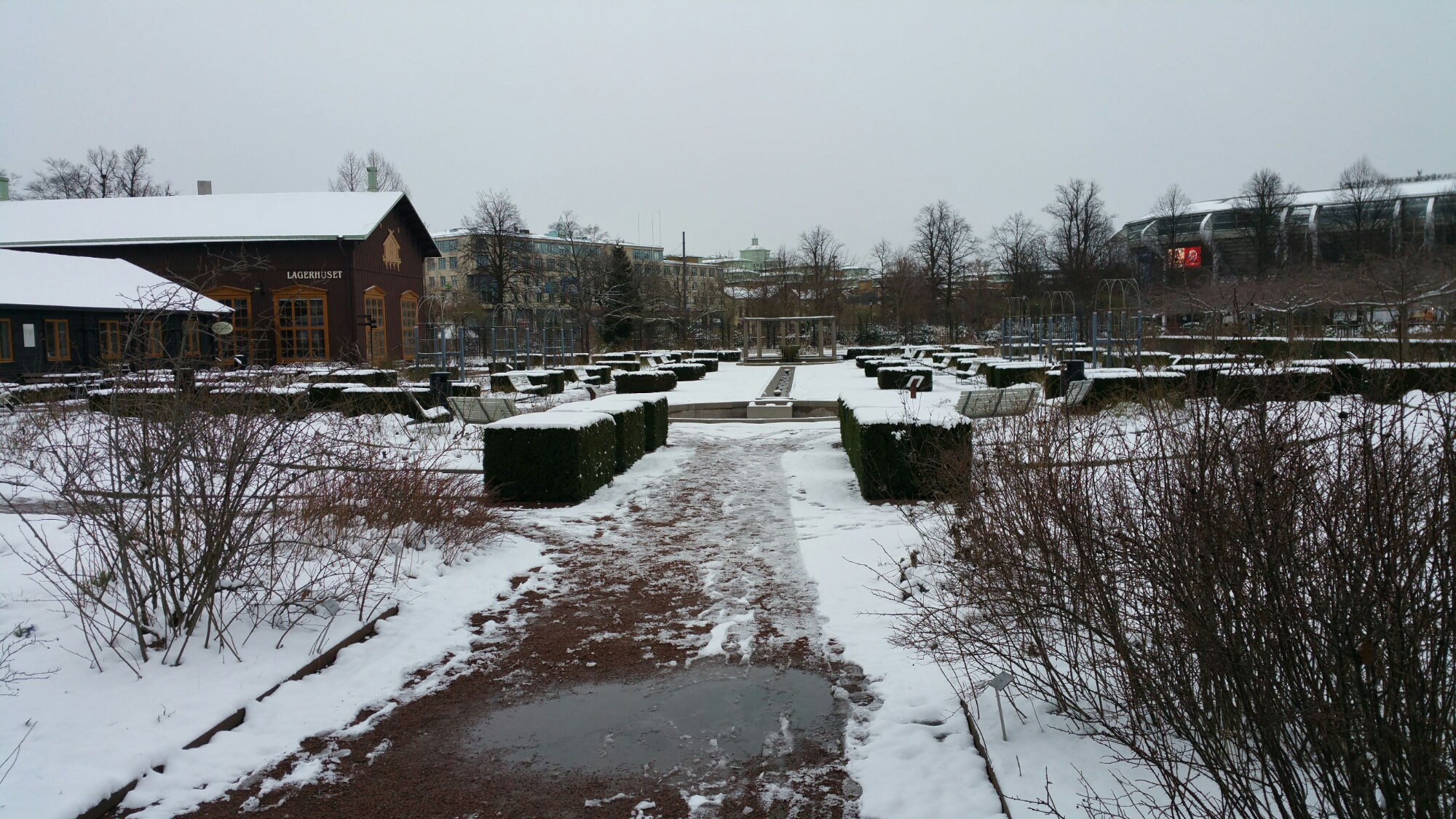
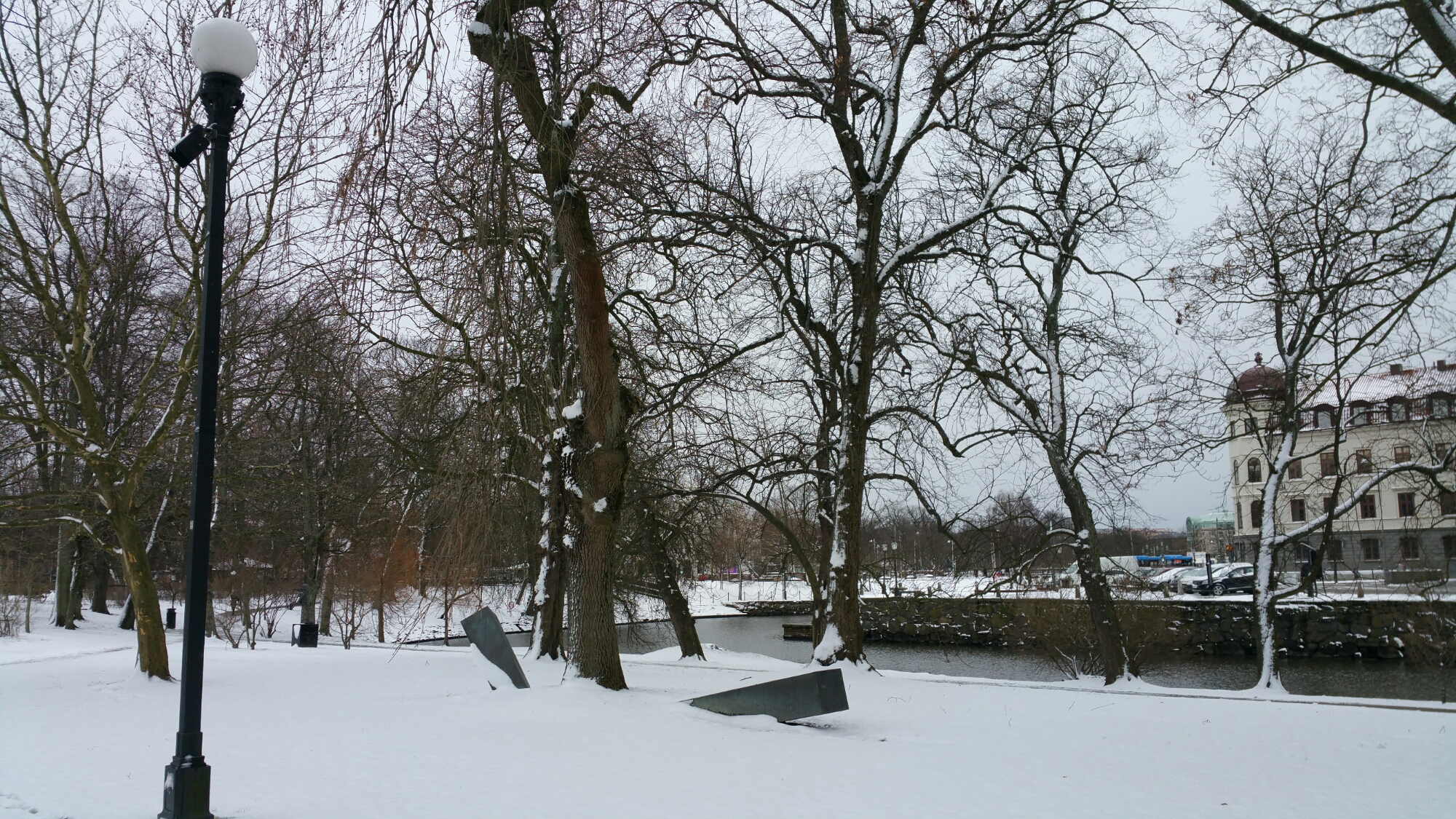
Trädgårdsföreningen. 

Gick exakt en timme, exakt 4 km (enligt appen). 

3 nya Pokémon.

Bytte buddy till Abra. 

Gick lite småpromenader mellan besöken i tvättstugan, så blev ytterligare 3,8 km (sammanlagt 7,8 km idag). 

När pengarna fortfarande inte hade kommit kl. 15 kollade jag upp föregående utbetalningar. Visar sej att varje år sker 4 utbetalningar den 20:e, 4 st den 21:a och 4 st den 22:a. I februari förra året kom utbetalningen den 22:a så pengarna kommer förhoppningsvis imorgon. Har en utbetalningsplan någonstans, men den kommer i april (då far gick bort) varje år, så orkar inte leta reda på den. Får skriva in i almanackan när nästa kommer. 

Blev lite YouTube och SVT Play. 

Mått rätt ok idag. Mådde nästan helt ok på kvällen när jag tog min sista promenad. Kändes som det var den friska luften och att jag hade rört på mej så mycket, som gjorde det.